Insurrection Act: What is it, and does US president have plenary authority?

Key Takeaways
- Vice President JD Vance stated that Donald Trump is considering invoking the Insurrection Act.
- The Insurrection Act of 1807 permits the President to deploy the US military domestically for law enforcement without congressional approval.
- Trump has previously suggested using the National Guard in Democratic cities like Portland and Chicago.
- The law is broadly written, and the Supreme Court has ruled that the President has the exclusive power to determine if the conditions for its invocation are met.
- The article distinguishes the Insurrection Act from martial law, which is a more stringent measure typically reserved for active war zones where civilian courts cannot function.
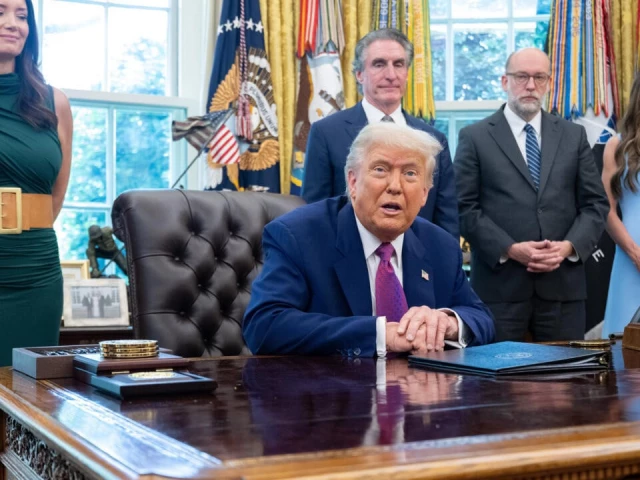
Vice President JD Vance recently confirmed that former President Donald Trump is actively considering invoking the Insurrection Act, a controversial 1807 law allowing the president to deploy federal military personnel domestically to suppress rebellion or enforce civilian law without congressional authorization. This consideration follows Trump's previous musings about using the National Guard in Democratic cities such as Portland and Chicago. The legal terms surrounding this potential action, including the Insurrection Act, plenary authority, and martial law, are complex and have been subject to decades of judicial interpretation. The Insurrection Act allows the president to act when enforcing US law through ordinary judicial proceedings is deemed 'impracticable,' though terms like 'insurrection' are not explicitly defined in the statute. Experts note that the Supreme Court has historically granted the president exclusive power to determine when the Act's conditions are met, with past invocations occurring during school desegregation and the 1992 LA riots. Furthermore, the article distinguishes the Insurrection Act from martial law, which is a more stringent imposition of military rule over civilians, the declaration of which the Supreme Court has historically limited to situations where civilian courts are non-functional, such as in an active war zone.