LHC bans media from interviewing suspects in custody | The Express Tribune
Key Takeaways
- The Lahore High Court banned media interviews and publication of statements from suspects under custody.
- The ruling is based on the principle that such interviews violate the fundamental right to a fair trial.
- Law enforcement agencies are strictly prohibited from allowing media access to detainees, with accountability measures for violations.
- The court criticized the practice as compromising the dignity of the accused and amounting to an unfair 'media trial'.
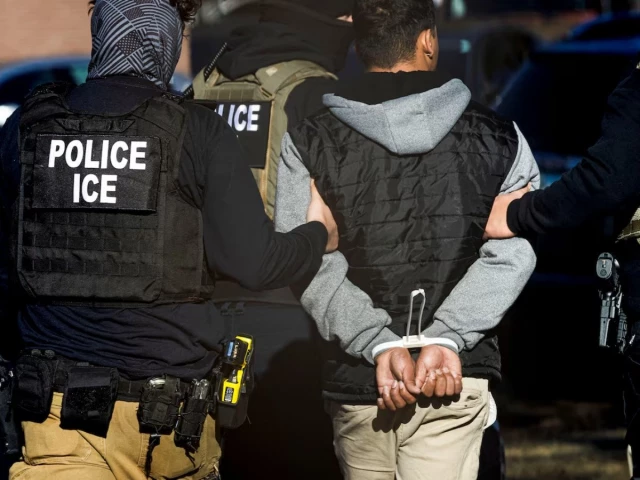
- The definition of 'under custody' was broadened to include individuals detained at police checkpoints or roadblocks.
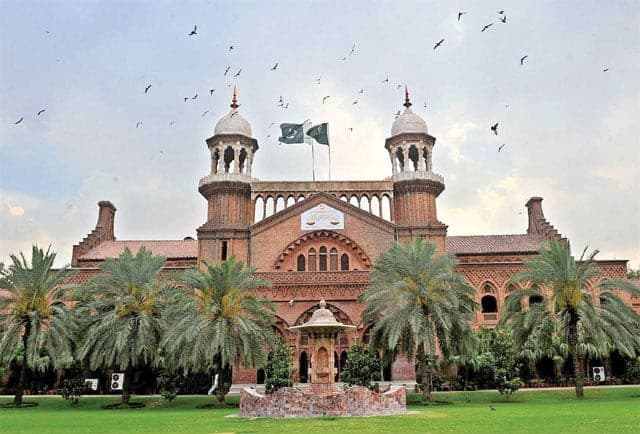
The Lahore High Court issued an 11-page verdict, authored by Justice Ali Zia Bajwa, strictly prohibiting media houses from conducting interviews or airing statements of suspects currently in custody, asserting that these actions violate the fundamental right to a fair trial. The court observed that a publicized confession is oppression, not justice, and that such interviews damage the suspect's dignity and future prospects. Law enforcement agencies are strictly forbidden from allowing media access to detainees, with accountability measures set for officers and heads of investigating agencies who violate the order. Justice Bajwa criticized law enforcement for allowing media presence at checkpoints, leading to public humiliation, and stressed that dignity cannot be compromised for publicity. The judgment clarified that while arrests are lawful, they do not strip individuals of their fundamental rights, and allowing detainee interviews constitutes a 'media trial' that compromises judicial fairness. The court urged the media to exercise restraint, balancing freedom of expression with the right to a fair trial, and broadened the definition of 'under custody' to include those stopped at checkpoints.