Solar-powered farming increases yield | The Express Tribune
Key Takeaways
- Pakistani farmers in Punjab are rapidly switching from diesel/grid power to solar-powered tube wells for irrigation.
- The transition is driven by the need for reliable water supply and savings from high energy costs, despite initial investment.
- Increased solar irrigation is enabling farmers to irrigate more frequently and cultivate more water-intensive crops like rice.
- The widespread adoption of solar pumps is occurring alongside a rapid and critical depletion of Punjab's groundwater tables.
- Farmers are finding innovative ways to afford the technology, including selling assets or pooling communal funds.
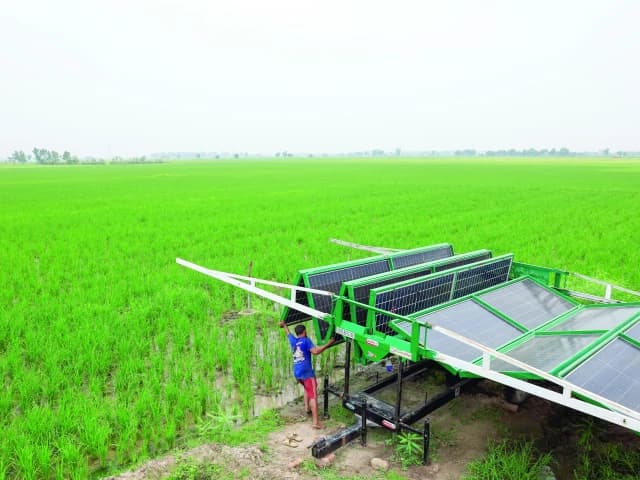
In Pakistan's Punjab province, farmers are undertaking a significant transition away from diesel and grid power towards solar-powered tube wells for crop irrigation, a move driven by the unreliability of the electricity supply and high energy costs. Farmers like Karamat Ali are selling assets to fund the purchase of solar panels, which allow for smoother and more frequent irrigation, including the practice of pulse irrigation, leading to modest production increases and cost savings. This adoption is occurring concurrently with a severe decline in groundwater levels across Punjab, with critical depths expanding significantly over the past few years, according to internal water authority documents. The increased ability to irrigate is also encouraging farmers to dedicate more land to water-intensive rice crops, while land for less thirsty maize is falling. While the immediate benefits—such as significant cost reductions and improved yields—are highly valued by farmers facing rural poverty, the widespread use of solar pumps is exacerbating the long-term water stress in this vital agricultural region. Farmers are highly protective of their investment, sometimes bringing panels home daily to prevent theft, and poorer farmers are pooling resources to access the technology.