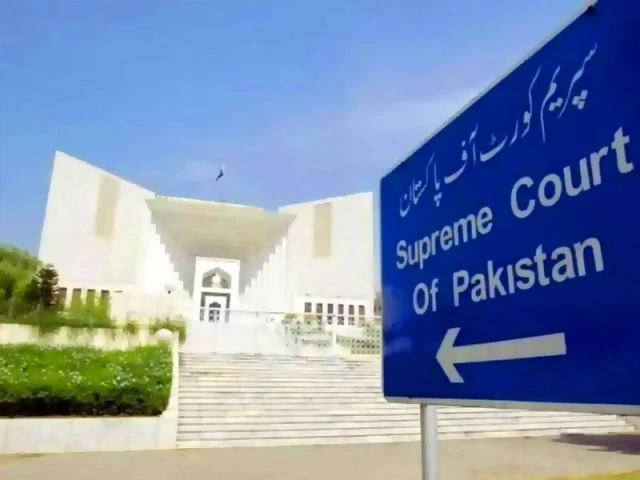
SC turmoil deepens as judges spar in open court | The Express Tribune

Key Takeaways
- Public discord among Supreme Court judges has intensified following the passage of the 26th Constitutional Amendment.
- A recent public exchange between Justice Mandokhail and Justice Malik exposed simmering tensions regarding the approval of the SC Rules 2025.
- Legal analysts suggest the 26th Amendment was an executive attempt to curb judicial independence, exploiting previous internal divisions within the court.
- Senior lawyers blame Chief Justice Yahya Afridi for not acting decisively to address the challenges to the amendment and restore unity.
- An expert warned that the current situation has created factions based on loyalty to the executive, resulting in a weakened judiciary subordinated to executive power.
Public discord among Supreme Court judges has intensified following the passage of the 26th Constitutional Amendment, sparking concerns that growing rifts could undermine the court's authority and independence. A recent public disagreement between Justice Jamal Khan Mandokhail and Justice Ayesha Malik over the approval of the Supreme Court Rules 2025 laid bare simmering tensions within the apex court. Observers note that such public displays of discord have eroded institutional cohesion, contrasting with the unprecedented unity seen after the judiciary's restoration in 2009. Legal analysts argue that the executive branch exploited prior divisions to introduce the 26th Amendment last year, viewing it as an attempt to curb judicial independence and tighten executive control. Senior lawyers criticize Chief Justice Yahya Afridi for failing to address the issue decisively, suggesting timely hearings on the amendment challenges could have prevented the current predicament. Legal expert Tariq Mahmood Khokhar warned that the amendment has created two factions within the court—one resisting and one collaborating with executive dominance—leading to an increasingly weakened judiciary subordinated to the executive.